
 Mattress Toppers
 Bamboo Mattress Toppers
 Latex Mattress Toppers
 Memory Foam Mattress Toppers
 Mattress Protectors
What Can I Put on My Bed to Prevent Bed Bugs?

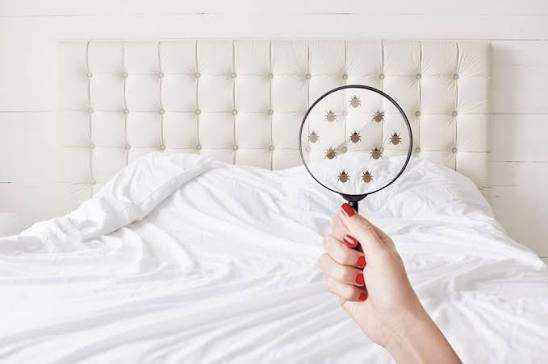
A fully zipped mattress encasement. It is the one thing you can put on your bed that is built to keep bed bugs out. Everything else, from your protector to your sheets, helps you stay clean and spot trouble early. Here is the setup layer by layer, what to keep off the bed, and what to skip.
What Is the Best Thing to Put on a Bed to Stop Bed Bugs?
An encasement. It wraps the whole mattress in tightly woven fabric and closes with a zip, so bugs cannot get in, and the seams and tags they love are covered. If any are already inside, they are sealed away from you and eventually starve. Leave it on for the long haul, because bugs can last months without a meal.
Look for the word “encasement” when you shop. Labels such as “bed bug proof” vary, so check the construction instead. The zip should close fully, and the fabric should be tight and intact. Patch or replace the cover the moment it tears. Properties that worry about pests or allergens use full zip covers, as what hotels use to protect their mattresses explains. For the fabric and zip details, read can bed bugs live in mattress protectors.
Do You Still Need a Mattress Protector?
Yes, on top. An ordinary protector will not stop bed bugs, but it does a different job well. It takes the sweat, spills, and daily wear, so the encasement underneath stays intact. It also comes off easily for a wash. Not sure how it differs from a topper? Read the difference between a mattress topper and a mattress protector.
That makes washability the feature that matters. How often a mattress protector should be washed sets the rhythm, and washing a mattress protector in the washing machine covers heat and drying. Prefer to skip one? What to use instead of a mattress protector lists the stopgaps, though none of them acts as a bed bug barrier.
What Does the Rest of the Bed Look Like?
Build it from the mattress up.
- Encasement. Zipped, intact, and left on.
- Protector. Snug and washable, changed on a schedule.
- Topper, if you use one. A mattress topper is there for comfort. It does nothing to stop pests. Buy it new, and lift it when you check the bed.
- Fitted sheet. Keep it snug and plain. Light colours make dark specks and rusty marks easy to spot.
- Bedding you can wash often. Fewer fussy extras means fewer hiding places.
Unsure about the order? What goes first, a mattress topper or a sheet and do you put a fitted sheet over a mattress topper settle it, and do I put a fitted sheet on top of a mattress protector covers the base layers.
What Should You Keep Off the Bed?
Less on the bed means fewer places to hide.
- Worn clothes. They carry your scent and make a soft hiding place.
- Luggage and bags. They are the most common way bugs arrive.
- Bedding that touches the floor. Tuck it in so nothing trails across the carpet.
- Boxes under the bed. Bed bugs love cardboard. If you must store things, use sealed plastic tubs. Better still, store nothing there.
- A bed pushed against the wall. Keep the frame clear of walls and other furniture.
Do Sprays, Powders, and Essential Oils Work?
Treat them as unproven. Some people swear by lavender oil to put bugs off. Even if it helps at the edges, it is not a barrier, and it will not clear an infestation. Pest controllers warn that DIY treatment rarely succeeds on its own.
Be careful with chemicals too. Only use products labelled for bed bugs and for use on bedding, and never put them on your skin. Bug bombs and foggers are largely ineffective, so leave them on the shelf.
Which Habits Help Prevent Bed Bugs?
The bed is only half the job. The rest is routine.
- Wash weekly. Hot water and a hot dryer beat what cooler cycles miss, as long as the care labels allow it.
- Vacuum often. Run the nozzle along mattress seams, the bed frame, and skirting boards, then empty the bag or canister outdoors.
- Check monthly. Use a torch on the seams, tags, and frame for rusty marks, black dots, and tiny pale eggs.
- Unpack away from the bedroom after any trip.
- Inspect second-hand furniture before it comes inside, especially bed frames and mattresses.
FAQs
Does a mattress protector stop bed bugs?
Not an ordinary one. A true zipped encasement is the barrier, and the protector is the washable layer that sits on top.
Does a mattress topper attract or prevent bed bugs?
Neither. Bed bugs come for you, not your bedding. A topper adds comfort and is not a barrier.
Are “bed bug proof” covers really bed bug proof?
Only if they fully enclose the mattress, use tightly woven fabric, and close with a zip that shuts completely. Check the seams and look for tears.
How often should I wash my bedding to prevent bed bugs?
Weekly is a good rhythm. Heat kills bugs and eggs, so wash hot and dry on high where labels allow.
Should I replace my mattress after bed bugs?
Not straight away. Treat the room first, or the new bed gets infested too. Professional heat treatment can often save the mattress. Sometimes replacing is simpler, and age matters either way, as is a 10 year old mattress still good explains.
Build a Cleaner Bed at Mattress Toppers AU
Nothing on your bed can promise to keep bed bugs out, and no honest seller should claim otherwise. What a clean, washable setup gives you is a bed that is easy to inspect and easy to care for. If you want a washable top layer, Mattress Toppers AU has mattress protectors and mattress toppers to fit every standard Australian size. Choosing a protector? Read what type of mattress protector is best, how to choose the right mattress protector, and what to avoid in a mattress protector first.