
 Mattress Toppers
 Bamboo Mattress Toppers
 Latex Mattress Toppers
 Memory Foam Mattress Toppers
 Mattress Protectors
Can Bed Bugs Live in Mattress Protectors?

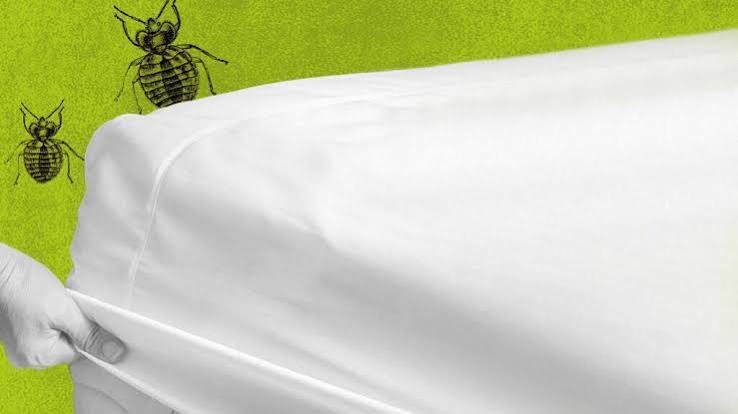
They can end up on one, and in the seams of one, yes. And a standard mattress protector will not stop an infestation. That surprises a lot of people, since protectors are sold on hygiene. Here is where bed bugs actually hide, what a protector can and cannot do about them, and what to do if you suspect a problem. If you have an active infestation, call a licensed pest controller first.
Can Bed Bugs Live in a Mattress Protector?
Adult bed bugs are flat and roughly the size of a lentil. They squeeze into tight, dark gaps close to where you sleep. A protector is fabric, which means seams, stitching, folds, and an elastic skirt that tucks under the mattress. Quilted styles have more of those. Bed bugs can crawl onto a protector and shelter along those edges, especially at the corners and skirt. They cannot burrow into a smooth, tightly woven surface, which is why fewer seams means fewer hiding spots. Clean homes get bed bugs too. An infestation is not a hygiene failure.
Why a Standard Protector Does Not Stop an Infestation
A standard fitted protector covers the top and sides of the mattress. The base stays exposed, and so does everything around it: the bed frame, headboard, bedside table, skirting boards, and nearby furniture. Most bed bugs in an infested home are found on or near the bed, but they do not stay in one spot. Cover the top of the mattress and they simply move to the parts you left uncovered. A protector is built for spills, sweat, and allergens. It was never designed as a pest barrier.
What an Encasement Does Differently
A bed bug encasement is a different product. It wraps all six sides of the mattress and closes with a zip, so nothing can get in and nothing already inside can get out. That does three jobs. It stops new bugs reaching the mattress. It contains any already inside, cutting them off from their food source. And its smooth, light surface makes early signs easier to spot. Adult bed bugs can survive many months without feeding, so a containment encasement needs to stay sealed for close to a year, sometimes longer. Do not unzip it early.
What Makes an Encasement Actually Work?
Three details decide it. The fabric needs to be seamless and bite-proof, since a bug that can feed through the cover has not been contained. The zip needs tiny teeth, because a standard zip leaves gaps young bed bugs can slip through. And there should be a zip stop or lock to keep it closed. Without all three, you have a regular cover with a bed bug label on it.
What About Insecticide-Treated Protectors?
Avoid them. A 2022 international study in the Journal of Economic Entomology tested a permethrin-treated mattress liner against 24 bed bug strains, including Australian ones. The researchers concluded it was unlikely to work against most modern infestations. Many strains showed little or no mortality even after days of constant contact, and the effect dropped further once a sheet covered the liner, which is how it is meant to be used. Modern bed bugs are widely resistant to this class of insecticide. A physical barrier is more reliable than a chemical one.
What to Do If You Suspect Bed Bugs
Start by checking the seams, tufts, and edges of the mattress and bed frame. If you find signs, call a licensed pest controller. An encasement supports treatment. It does not replace it. Meanwhile, these steps help.
- Vacuum the mattress and the area around it thoroughly, especially along seams.
- Wash bedding and clothes hot and dry them on high heat where the care labels allow. Heat is lethal to bed bugs at every life stage.
- Declutter around the bed so there are fewer hiding spots.
- Pull the bed a few centimetres away from the wall and other furniture.
- Place interceptor dishes under each bed leg to catch bugs and give you early warning.
One caution on heat. A hot wash and high heat dry can damage a waterproof protector, so check the care label and ask your pest controller before putting one through it.
Where a Normal Protector Still Earns Its Place
None of this makes a standard protector pointless. It still guards the mattress against spills, sweat, dust mites, and allergens, and it keeps the mattress cleaner for longer. It also works over an encasement. Put a regular protector on top and you can wash that layer without ever disturbing the encasement underneath. Most fitted protectors are designed for spills and allergens rather than pest control, so check the product details if bed bugs are your main concern. For everyday protection, browse our mattress protectors, and read difference between a mattress topper and a mattress protector to see how protectors and toppers split the job.
FAQs
Can bed bugs live on top of an encasement?
They can crawl across it, but a smooth surface gives them nowhere to hide or lay eggs. They stay exposed and easy to spot, and a hot wash of your bedding deals with stragglers.
How long should the encasement stay on?
Close to a year, sometimes longer. Adult bed bugs can survive many months without a meal, so removing it early risks restarting the problem.
Do bed bugs only live in dirty homes?
No. They turn up in clean homes, hotels, and everywhere in between. They are drawn to people, not mess.
Are bed bugs dangerous?
They are not generally known to spread disease, but bites can itch, cause skin reactions, and disturb your sleep.
Will washing my protector kill bed bugs?
Heat does, but check the care label first. Hot washes and dryers can damage waterproof layers, so ask your pest controller for the safest approach.
Know What Your Protector Does at Mattress Toppers AU
A protector guards your mattress from spills, sweat, and allergens. For bed bugs, you need a purpose-built encasement and professional help. Mattress Toppers AU stocks protectors for everyday protection, so your bed stays clean and your topper stays fresh. Browse the range and protect your bed the right way.