
 Mattress Toppers
 Bamboo Mattress Toppers
 Latex Mattress Toppers
 Memory Foam Mattress Toppers
 Mattress Protectors
What to Avoid in a Mattress Protector?

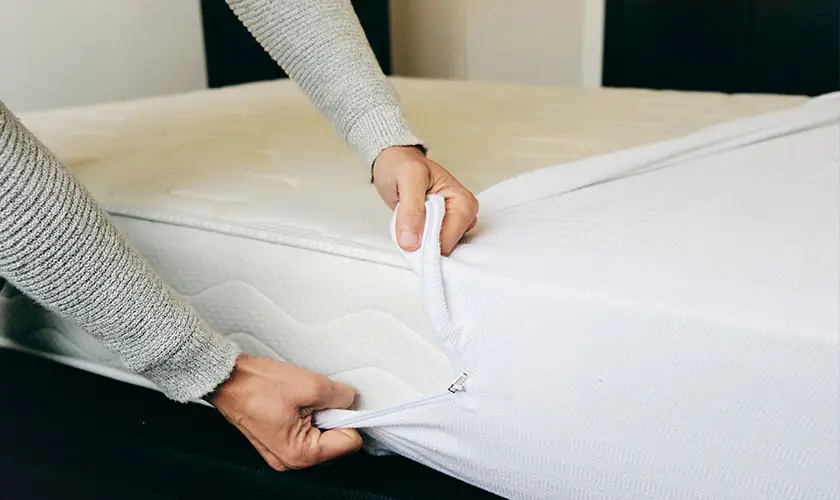
A handful of specific mistakes account for most disappointing protector purchases, more than material choice on its own. Here is what actually to steer clear of, so you end up with something that genuinely protects your mattress rather than just looking like it does on the listing.
Avoid Anything Vaguely Labelled “Hypoallergenic” With No Real Detail
The word alone does not tell you much. A protector genuinely built to block dust mites and allergens will usually state its pore size, generally around 8 microns or less, rather than just carrying the label. If a listing leans on the word hypoallergenic without backing it up with a number or a clear construction detail, treat that as marketing shorthand rather than a real spec.
Avoid a “Cotton” Label That Isn’t Actually 100% Cotton
This one catches people out more than expected. Some protectors marketed as cotton are only partly cotton, or pair a cotton surface with a synthetic skirt or backing. If breathability and natural fibre matter to you specifically, check the actual fabric composition in the product details rather than trusting the headline material name alone.
Avoid Assuming Waterproof Always Means Noisy
This used to be a safe assumption, and it no longer is. Older waterproof protectors relied on thick plastic backing that crinkled with every movement, which is where the reputation comes from. Quality construction today can be both genuinely waterproof and genuinely quiet, so avoid ruling out waterproof protection purely on an outdated stereotype, and equally avoid assuming every waterproof option sold today has actually solved that problem, since construction quality still varies.
Avoid a Poor Depth Fit
Protectors typically come in a standard depth around 30cm and a deeper option closer to 40cm or more for thicker mattresses or setups that include a topper underneath. Buying based on mattress size alone, without checking depth, is a common reason a protector slips or bunches within the first few weeks. If you already use a mattress topper, measure with both layers in place rather than the mattress alone.
Avoid Confusing a Protector With a Mattress Pad
The terms get used loosely, and buying the wrong one leaves you disappointed either way. A protector’s job is defence, guarding against spills, sweat, and allergens without changing how the mattress feels. A pad, closer to what we call a topper, adds padded comfort rather than protection. If you actually want your bed to feel different, a protector alone will not do that, no matter how well made it is.
Avoid Ignoring Electric Blanket Compatibility
If you use an electric blanket, check where it sits relative to the protector rather than assuming any order works. Placing the protector between the mattress and the blanket, rather than over the top of both, generally lets more of the blanket’s warmth actually reach you instead of being absorbed by the layer underneath it.
Avoid Expecting Full Bed Bug Protection
A protector helps, but it is not a complete solution on its own. Most styles cover the top and sides of the mattress rather than fully sealing it, so bugs living elsewhere in the room are not addressed by the protector at all. A full zip encasement gets closer to genuine containment, but avoid treating any protector as a standalone fix for an active infestation rather than one part of dealing with it properly.
Avoid Skipping the Care Label
Not every protector handles machine washing and tumble drying the same way, and ignoring the specific instructions is one of the fastest ways to shorten its life or compromise the waterproofing. A few extra seconds checking the label before the first wash is worth far more than guessing and hoping it holds up.
Avoid Choosing Based on Material Alone
Natural fibres like cotton and bamboo are genuinely breathable and pleasant against the skin, but that does not automatically make every natural option better than every synthetic one. A well constructed synthetic or blended protector can still perform very well, particularly for waterproofing and budget, while a poorly made natural one can still disappoint. Check fit, actual breathability construction, and any genuine safety certification before assuming material alone settles the decision.
FAQs
Should I avoid synthetic protectors entirely?
No. Synthetic and blended protectors are often the most affordable route to genuine waterproof protection, and quality construction matters more than the fibre type alone.
Is a cheap protector always a bad choice?
Not necessarily, though it is worth checking the same details regardless of price: fit, fabric composition, and care instructions. A cheap protector that meets those basics can still do its job well.
What certification should I actually look for?
A recognised safety certification, such as one confirming the fabric has been tested against harmful chemicals, is a genuinely useful signal of quality construction beyond marketing language alone.
Does a protector need to be 100% waterproof to be worth buying?
No. If spills and bedwetting are not a concern for your household, a breathable, non-waterproof protector still offers real value against sweat, allergens, and everyday wear.
Is a protector really necessary if I already use a topper?
Yes, arguably more so. A topper without a protector over it takes on spills and sweat directly, and it is far harder to clean than a protector is. The two work together rather than one replacing the need for the other.
Choose Carefully at Mattress Toppers AU
Avoiding the wrong protector comes down to checking a few real details rather than trusting labels alone. Mattress Toppers AU lists fit, material, and construction clearly on every mattress protector, so you can check before you buy rather than after. Pair it with the right topper for a setup that actually holds up.
One thought on “What to Avoid in a Mattress Protector?”