
 Mattress Toppers
 Bamboo Mattress Toppers
 Latex Mattress Toppers
 Memory Foam Mattress Toppers
 Mattress Protectors
Does Showering Remove Bed Bugs From Your Body?

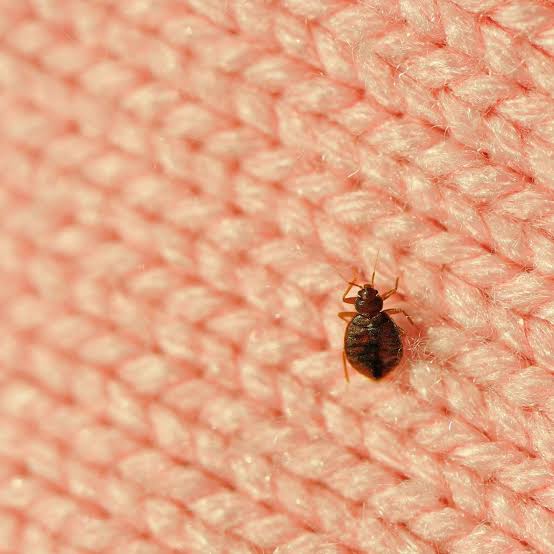
Only the ones that happen to be on you. A shower can rinse a bed bug off your skin or out of your hair. It cannot kill the bug, and it does nothing about the ones hiding in your bed, bags, and clothes. Here is what showering can and cannot do, what to do straight after a possible exposure, and what really ends the problem.
Does Showering Remove Bed Bugs From Your Skin?
Yes, for any bug that is actually on you. Soap and water will carry a hitchhiker off your skin or hair, and bed bugs find slick, wet surfaces hard to climb.
The catch is that there is rarely anything to wash off. Bed bugs do not live on people. They creep out at night, feed for a few minutes, then head back to cracks, seams, and bed frames. By the time you reach the bathroom, the bugs are far more likely to be in your bedding than on you.
Why Can’t a Shower Kill Bed Bugs?
Heat does the killing, and shower water never gets there. Bed bugs need sustained temperatures of around 50°C or more, held long enough to reach every fold and seam. Water that is safe for your skin falls well short, and a rinse lasts seconds. At best, a shower sends a bug down the drain. It kills nothing and treats nothing.
Keep chemicals off your body too. Never put insecticide on your skin, your hair, or the clothes you are wearing.
What Should You Do After a Possible Exposure?
The shower is only one step. The order matters.
- Stay out of the bedroom. Undress in a bathroom or laundry with a hard floor. Slick, smooth surfaces are harder for bugs to climb.
- Check what you are wearing. Look along seams, cuffs, collars, and bag straps.
- Bag your clothes. Seal everything you wore in a plastic bag. Do not shake it out.
- Shower with ordinary soap and shampoo. Then comb or brush your hair thoroughly.
- Put on clean clothes that have been kept sealed in a bag or container.
- Go straight to the dryer. Tip the bag in without shaking it out, then dry everything on high for a full cycle.
- Inspect your luggage before it goes anywhere near the bed.
Will a Shower Help With the Bites?
It will not remove them or stop new ones. Wash bites gently with mild soap and water, and try not to scratch. Scratching can break the skin and lead to infection. Get medical advice for hives, blisters, swelling, or a strong reaction.
Bites also make a poor test. Marks can take up to two weeks to appear, and many people never react at all. Look for the signs instead: black droppings, shed skins, and small blood marks on sheets and mattress seams.
Does a Clean Body Mean Fewer Bites?
No. Bed bugs home in on warmth and the breath you exhale, not on how fresh you smell. A shower before bed is a good habit, but it will not stop a bite. What you do to the bed matters far more than what you do to yourself.
What Actually Gets Rid of Bed Bugs?
Treat the source, not the skin.
- Heat for fabrics. Wash hot where labels allow, then dry on high for at least 30 minutes. The wash can leave eggs alive, so the dryer matters most. Cold and warm cycles do not reliably work.
- Vacuum. Work slowly along mattress seams, bed frames, skirting boards, and carpet edges. Empty the vacuum outside straight away.
- Freeze what cannot be washed. Seal delicate items in a bag and leave them in the freezer for several days.
- Bring in a licensed pest controller. Do it if you find live bugs, shed skins, or dark specks, or if bites continue after a proper wash and dry. Bed bugs hide where laundry never reaches.
Laundry reduces the problem but rarely ends it. Clean clothes dropped back into an infested room can pick bugs up again quickly.
What Should You Do With Your Bed?
Strip it and bag the linen. Wash and dry it hot, checking care labels first. Hot dryers damage waterproof backings and foam, so read how to wash a mattress protector in the washing machine before you try. Then check the seams, labels, and frame of the mattress with a torch. A fully zipped encasement can trap bugs inside a mattress and keep new ones out. Can bed bugs live in mattress protectors explains how that differs from an ordinary protector. Think the mattress is lost? A pest controller can often treat it with heat, so do not rush to throw it out.
FAQs
Can bed bugs live in my hair?
They can crawl onto it, but they do not stay. Bed bugs do not live on people the way head lice do, so a thorough comb after your shower is enough.
Is it safe to spray insecticide on my skin or clothes?
No. Never apply insecticide to your skin, hair, or the clothes you are wearing. Use heat on fabrics and call a professional for the rest.
Will a cold or warm wash kill them?
Not reliably. Heat does the work, and a long, high-heat dry finishes the job.
How long do bites take to show up?
Sometimes days, and up to two weeks for some people. Others never react at all.
When should I call a pest controller?
As soon as you find live bugs, shed skins, or dark specks, or if bites keep coming after a proper wash and dry.
Keep Your Bed Clean at Mattress Toppers AU
A shower cannot fix a bed bug problem, and neither can any topper or protector on its own. What you can control is the state of your bed. A clean, washable layer is easier to inspect and easier to care for. Browse the mattress protectors and mattress toppers at Mattress Toppers AU, sized for standard Australian beds. Still choosing? What type of mattress protector is best is a good place to start. Keep it fresh with a regular wash, and let how often a mattress protector should be washed set the routine.