
 Mattress Toppers
 Bamboo Mattress Toppers
 Latex Mattress Toppers
 Memory Foam Mattress Toppers
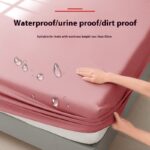 Mattress Protectors
How Do I Choose the Right Mattress Protector?

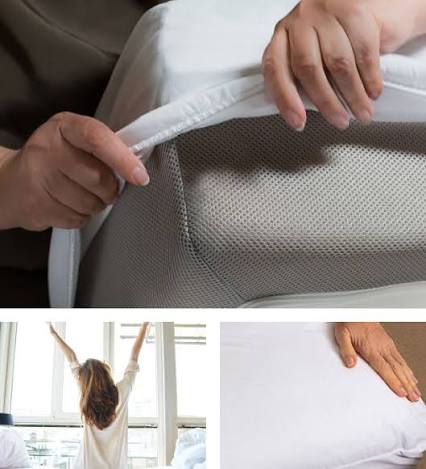
Most people buy a protector based on price or whatever is in stock, then wonder why it slips, feels hot, or doesn’t actually solve their problem. There is a more logical order to work through first. Here is the sequence worth following before you buy one.
Step One: Identify Who Is Actually Using the Bed
This changes your priorities more than people expect. A bed used by kids, guests, or pets points toward waterproofing and easy machine washing as the priority. A bed used only by you, with no spills or accidents to worry about, opens up more options focused purely on comfort and breathability instead.
Step Two: Name Your Specific Need
Be specific rather than just saying you want “a good protector.” Allergies or asthma point toward a tight pore size and ideally a full encasement. Sleeping hot points toward a breathable natural fibre over a purely waterproof focus. Genuine spill or accident risk points toward waterproof construction first. If you tend to run cold rather than hot, a quilted protector adds a thicker, padded layer of warmth that most Australian households skip because of our summers, but it is worth considering if you are someone who is always cold at night regardless of the season.
Step Three: Understand Why Allergens Are Even a Problem
This is worth knowing before you shop, since it explains what you are actually buying. Dust mites feed on the dead skin you naturally shed while sleeping. A protector creates a barrier that removes their main food source, which is the actual mechanism behind the allergy relief, not just a vague claim on the packaging. Understanding this makes it easier to judge whether a specific product is genuinely built for that job or just labelled as if it is.
Step Four: Pick the Fit, Not Just the Size
A fitted elastic skirt holds far more securely than simple corner straps, which are the most common reason a cheap protector ends up bunched or shifted by morning. Match the depth to your actual mattress, including any topper underneath it, since a high mattress and topper combination can need a skirt as deep as 50cm to stay properly in place.
Step Five: Check It Is Actually Easy to Live With
Confirm it is machine washable before you buy, not after. If breathability matters to you, check for a natural fibre layer even on a waterproof option, since the two are no longer mutually exclusive the way older designs forced you to choose. Genuine customer reviews are also worth a quick look, since they tend to reveal fit and comfort issues that product photos never will.
Step Six: Know How to Care for It Properly
A few care habits genuinely extend how long a protector performs well. Wash it every one to two months under normal use, more often if you have allergies or regular spills. Avoid fabric softener, since it can reduce the fabric’s absorbency over time. Never tumble dry a waterproof protector specifically, since the heat can damage the waterproof layer itself, and dry it away from direct sunlight instead. If kids or pets are in the house, keeping a spare on hand makes rotating between washes far easier than being without protection while one is in the laundry.
Step Seven: Decide What You’re Actually Willing to Spend
Price should follow everything above, not lead it. A cheap, corner strap protector without proper fit or breathability often ends up replaced within a year, costing more over time than a properly fitted option would have. Spend more where it matters most to your actual need, whether that is a tighter pore size for allergies or a genuinely breathable fabric for a hot sleeper, rather than simply picking the cheapest listing available.
FAQs
Do I need a different protector if I have a topper underneath?
Not a different type, just the correct depth. Measure with the topper in place rather than the bare mattress, since that is what actually determines whether the skirt will hold.
Is a quilted protector a good choice for Australian conditions?
Generally not the default choice given our warmer climate, but it suits anyone who genuinely runs cold at night or lives somewhere consistently cooler, regardless of season.
Can I use fabric softener when washing my protector?
It is best avoided. Fabric softener can reduce the material’s absorbency over repeated washes, which works against the protector’s actual job.
Should kids’ and guest beds get the same protector as mine?
Not necessarily. Prioritise waterproofing and easy care for kids and guest beds, while your own bed can be chosen more around comfort and breathability if accidents are not a concern there.
Is it worth paying more for a protector with a longer warranty?
Sometimes, if the extra cost reflects genuinely better fabric and construction rather than just branding. A longer warranty is a reasonable signal of confidence, but check the fit and material details rather than relying on warranty length alone.
Work Through It Properly at Mattress Toppers AU
Choosing well comes down to answering the right questions in order, not finding one universally best product. Mattress Toppers AU stocks mattress protectors built for genuinely different needs, from waterproofing to breathability. Browse the range once you know what you are actually solving for, and pair it with the right topper for a complete setup.
2 thoughts on “How Do I Choose the Right Mattress Protector?”