
 Mattress Toppers
 Bamboo Mattress Toppers
 Latex Mattress Toppers
 Memory Foam Mattress Toppers
 Mattress Protectors
How Often Should a Mattress Protector Be Washed?

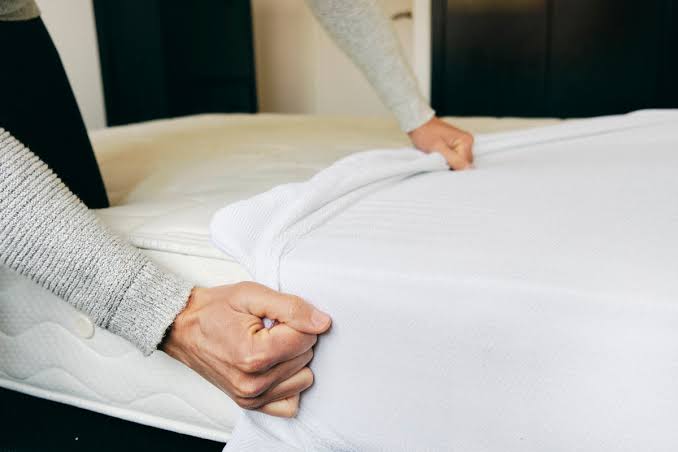
For most people, every one to two months is the right rhythm. Allergies, pets, and hot summer nights push that closer to every two weeks. But frequency is only half of it. How you wash and dry a protector decides whether it keeps doing its job or quietly stops working.
Why a Protector Needs Washing Less Often Than Your Sheets
Your sheets take the first hit. They catch most of the sweat, skin cells, and oils every night, which is why they go in the wash every week or two. The protector sits underneath as the second line of defence, so it sees far less. That is why a monthly wash suits most sleepers, and why every two months is fine if your habits are clean. If you change your sheets weekly, shower before bed, and keep pets off the bed, lean toward the longer end of that range. If you let sheet changes slide, the protector ends up doing the sheets’ job, and it needs washing more often to keep up.
What Should Make You Wash It More Often?
Some situations shorten the schedule.
- Allergies or asthma. Wash roughly every two weeks, since dust mites feed on shed skin and their waste builds up in fabric.
- Pets on the bed. Fur, dander, and outdoor dirt add up fast, so fortnightly is sensible.
- Hot Australian summers. You sweat more, so aim closer to monthly rather than every second month.
- Spills, accidents, or illness. Wash straight away, and again before the bed goes back into normal use.
- Eating or drinking in bed. Crumbs and drips reach the protector sooner than you think.
How to Wash It Properly
Check the care label first. It overrides everything below. For most home protectors, a warm, gentle cycle around 40°C works well. Warm water lifts oils and germs without stressing the fabric, and a slow cycle gives detergent and body oils time to rinse out fully. Use a mild detergent without bleach or optical brighteners, which can damage fibres and cause discolouration. Skip fabric softener, since it can reduce absorbency. Do not overload the machine, or the protector will not rinse properly. Some commercial grade protectors are built for much hotter washes, but unless your label says so, stay with warm. Heat is the fastest way to damage a waterproof layer.
How to Spot Clean Between Washes
Spills do not wait for wash day. Use a damp cloth with a little mild detergent, and skip the bleach. Rather than scrubbing, soak the area and blot, then repeat until the stain starts to lift. Act fast, since fresh stains come out far more easily than set ones. Spot cleaning handles the visible mess, but it does not replace a proper wash, since dust mites and allergens build up where you cannot see them.
How to Dry It Without Damaging It
Air drying is the safest option. Hang the protector over a couple of lines or a clothes rack, and gently pull it back into shape first. Make sure it is completely dry before it goes back on the bed. Even slightly damp fabric can develop a musty smell and encourage bacteria. A breezy, shaded spot is the safe default. Sunlight does help freshen fabric, but strong direct sun can be hard on waterproof layers, so check the label before leaving it out for hours. If the label allows tumble drying, use low heat only. For waterproof protectors, air drying is the better call unless the label clearly says otherwise.
Keeping It Cleaner Between Washes
A few habits stretch the time between washes. Change your sheets weekly so they keep catching most of the sweat and oils. Shower before bed, which cuts down what reaches the bed in the first place. Keep pets off the bed if you can, and avoid eating and drinking in it. None of this replaces washing, but it can move you toward the longer end of the schedule.
Washing a Protector That Sits Over a Topper
If you use a topper, this routine matters even more. Toppers are bulky and mostly cannot go in a washing machine, so the protector does the cleaning work for both layers. Order matters too. The protector goes over the topper, then your fitted sheet on top, which we cover in do you put a fitted sheet over a mattress topper. Keep the protector clean and you rarely need to spot clean or air out the topper underneath. Difference between a mattress topper and a mattress protector explains why the two layers work best together.
FAQs
Does washing too often damage a protector?
Regular gentle washing is far better for it than infrequent hot, harsh cycles. Stick to warm, mild detergent, and follow the label.
What if it still smells after washing?
Usually it was not fully dry, or detergent was left in the fabric. Rewash on a gentle cycle with an extra rinse, then dry it completely.
Is spot cleaning enough instead of a full wash?
No. It handles visible spills, but sweat, oils, and dust mites build up invisibly, so you still need regular full washes.
How do I know washing is not enough and it needs replacing?
If the waterproof layer is peeling or cracking, liquid soaks through, or the elastic no longer holds the corners, a new protector will do more than another wash.
Look After Your Protector at Mattress Toppers AU
A good routine keeps a protector working for years, not months. Mattress Toppers AU stocks mattress protectors built to handle regular washing, so protecting your bed stays easy. Browse the range and keep both your mattress and your topper clean.