
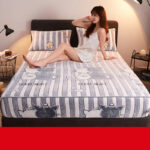
 Mattress Toppers
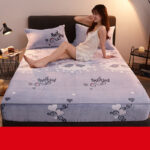 Bamboo Mattress Toppers
 Latex Mattress Toppers
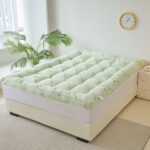 Memory Foam Mattress Toppers
 Mattress Protectors
What to Avoid in a Mattress Protector?

A protector should vanish under your sheet. The wrong one does the opposite. It crinkles, bunches, runs hot or wears out in a season. Here is what to steer clear of, and what to look for instead.
Why Is the Wrong Depth the Biggest Mistake?
Fit comes first. A protector that is too shallow stretches tight across the top and creeps off the corners. One that is too deep bunches under your sheet and leaves lumps you can feel.
Grab a tape measure and check the full height of your bed. Sleeping on a topper? The protector has to wrap both layers, which can mean an extra 5cm, 7cm or 10cm of pocket. Skip any listing that does not state the depth it fits. For help with sizing, see how to choose the right mattress protectors.
Should You Avoid Crinkly Plastic Backing?
Yes, if you can. Cheap waterproof layers rustle every time you move. Some trap heat as well. A good waterproof protector uses a thin, flexible membrane beneath a soft fabric top. Press the material and flex it in the shop or read reviews for noise. If it sounds like a shopping bag, leave it.
Waterproofing itself is worth having for kids, pets and spill-prone households. It just should not feel like sleeping on a tarp. To weigh the main styles, start with what type of mattress protector is best.
Is Heavy Padding Worth It?
Usually not. Thick quilting adds bulk and can mute the feel of your mattress. It also tends to hold moisture and take longer to dry. If you want more cushioning, a topper does that job properly. A protector is meant to be thin and wash easily. The roles are laid out in the difference between a mattress topper and a mattress protector.
Which Fabrics Should You Skip?
Think about your sleep before you think about price.
- Hot sleepers: avoid non-breathable synthetics and thick vinyl-style tops. Pick cotton, bamboo or a cooling weave.
- Light sleepers: avoid stiff or noisy fabrics.
- Sensitive skin: avoid rough finishes and strong chemical smells straight out of the pack.
- Allergy sufferers: avoid loosely woven covers that let fine dust through.
Cheap polyester can be fine in a cool room. It is a poor match for anyone who wakes up sweaty.
Do Elastic Corner Straps Work?
Straps alone are the weaker option. They hold the corners but leave the sides bare, so the protector slides and the mattress edges go unprotected. A full fitted skirt grips better and stays flat. Avoid strap-only designs if you toss and turn, or if you add a thick topper.
What About Bold Claims on the Label?
Be careful. Words like “ultimate” or “total protection” mean nothing without detail. Look for plain facts instead: fabric content, waterproof or not, depth range, and wash instructions. Be sceptical of protectors that promise to stop pests. A protector can help keep a mattress clean, but a standard fitted style is not a pest solution. If that is your worry, can bed bugs live in mattress protectors explains what is realistic.
Why Skip Protectors With No Care Label?
Care matters more than people think. A protector you cannot wash easily will not last, and it defeats the point. Avoid anything without clear instructions. Many have a waterproof backing that heat can damage, so bleach and a hot dryer cycle are out. Warm, gentle washing and air drying is the usual advice, but always follow your own label.
When you do wash it, can I wash a mattress protector in the washing machine and how often a mattress protector should be washed cover the routine.
Is the Cheapest Option a Good Idea?
Not always. A very low price often means a flimsy membrane, thin stitching and elastic that gives up fast. That leads to leaks, slipping and early replacement. Equally, the priciest one is not automatically best. Match the protector to the bed. A guest room or a hand-me-down mattress needs less than a new memory foam bed you want to keep for years.
Watch for early warning signs too. Stiffness, leaks or yellowing mean it is ageing. The reasons are covered in what causes yellow stains on a mattress protector.
What Should You Avoid Using in Place of a Protector?
Towels, plastic sheets and bin liners are poor stopgaps. They slip, make noise and trap heat. If you need a short-term fix, what to use instead of a mattress protector lists safer options. For a closer look at how professional beds are covered, see what hotels use to protect their mattresses.
Do You Layer the Sheet Over It?
Yes. A protector is not a replacement for bedding, and it needs a fitted sheet over it to stay clean and in place. Not sure of the order? Do I put a fitted sheet on top of a mattress protector answers it. Also avoid dragging the sheet tight, which can pull the protector out of shape.
FAQs
Should I avoid waterproof protectors?
No. Avoid cheap, noisy ones. A thin, breathable waterproof layer is fine for most beds.
Is a thicker protector better?
Not usually. Thick ones feel bulky and dry slowly. Keep it slim and add a topper for comfort.
Can I tumble dry a protector?
Check the label. Many waterproof backings can be damaged by high heat, so air drying is the safer choice.
Does a protector make me sleep hot?
A plastic-heavy one can. Choose breathable fabrics and a thin membrane.
How do I know it fits my topper and mattress?
Add the topper’s depth to the mattress depth, then compare it with the listed pocket size.
Choose Well at Mattress Toppers AU
Skip the noisy, ill-fitting and over-padded options. Browse mattress protectors that sit flat and wash easily, then add a mattress topper for comfort, all at Mattress Toppers AU. Protect the bed, and keep it comfortable.