
 Mattress Toppers
 Bamboo Mattress Toppers
 Latex Mattress Toppers
 Memory Foam Mattress Toppers
 Mattress Protectors
What Is the Number One Cause of Bed Bugs?

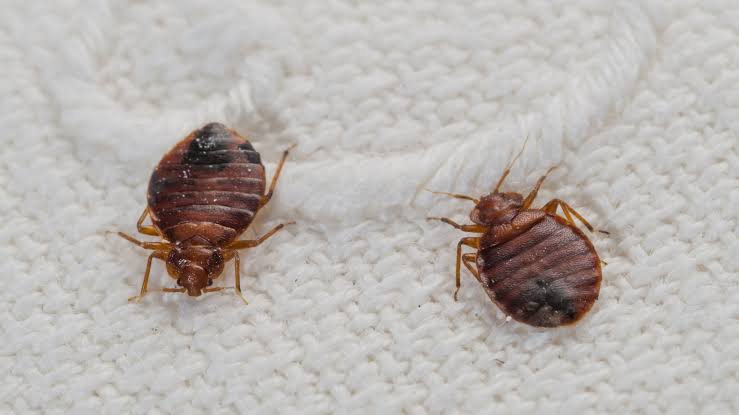
The number one cause of bed bugs is travel, not dirt. They hitch a ride on you, your luggage, and your second-hand finds, usually from a place that already has them. Here is how they get in, what does not cause them, and how to keep your bed off their list.
Why Is Travel the Number One Cause?
Because you bring them home yourself. A stay in a hotel, motel, hostel, or holiday rental is the classic route. These places see a constant stream of guests, and any guest can be a carrier.
Bed bugs cannot fly or jump. They crawl. So they climb into suitcases, backpacks, handbags, and folds of clothing, then wait. You unpack at home and they are already inside. Many infestations start with a single bug.
Where you put your bag matters. A suitcase on the bed, the carpet, or a fabric chair is an open invitation. If a hotel mattress is wrapped in a zipped cover, that is a precaution, not a warning sign. Leave it closed. For more on how hotels protect their beds, see what hotels use to protect their mattresses.
What Are the Other Common Causes?
Travel leads the list, but it is not the only route.
- Second-hand furniture and bedding. Used mattresses, couches, bed frames, and toppers can carry bugs and eggs in their seams and joins.
- Shared buildings. In apartments, townhouses, and share houses, bed bugs move between units through cracks, wall gaps, and power points.
- Schools, universities, and childcare. Bags and clothes carry them home.
- Visiting infested homes. A friend’s couch, a relative’s spare bed, or a work site can send one home with you.
- Shared seating. Buses, trains, cinemas, and waiting rooms can harbour them too.
Is a Dirty House the Cause?
No. Bed bugs feed on blood, not mess. They find you through body heat and the carbon dioxide you breathe out, and worn clothes carry your scent. Spotless homes get them just as often as cluttered ones.
Clutter does not cause them, but it helps. It gives them more places to hide and makes an early catch harder. A pile of worn clothes on the floor is a favourite spot.
Can Pets, the Outdoors, or Your Mattress Cause Them?
Pets and the garden rarely play a part. Bed bugs prefer people, and they do not live on animals the way fleas do. Their spread almost always follows human movement.
Your mattress is not the culprit either. One myth says foam keeps bed bugs away. It does not. They cannot live inside foam, but they happily hide in bed frames, headboards, and seams. A mattress topper is not a cause, and it is not a cure. It adds comfort, not pest control. A protector is the same. For the detail on covers, read can bed bugs live in mattress protectors. To see what each layer is for, try the difference between a mattress topper and a mattress protector.
How Do You Stop Bed Bugs Coming Home After a Trip?
A few habits do most of the work.
- Check the bed before you unpack. Pull back the sheets and look along the mattress seams, tags, and headboard for dark specks, shed skins, and blood spots. A torch helps.
- Keep luggage off the bed, floor, and soft chairs. A luggage stand or the bathroom is better. Check the stand’s webbing too.
- Seal your clothes. Pack worn items in plastic bags so nothing wanders.
- Unpack at home in the laundry, garage, or bathroom. Not the bedroom.
- Use heat. Put everything through a hot wash, around 60°C if the labels allow, then a long, high-heat tumble dry of 30 minutes or more. Heat is what kills them.
- Treat your bag. Vacuum the seams and pockets, and dry soft bags on high if they can take it.
What About Second-Hand Mattresses and Toppers?
Be picky. Look over the seams, tags, piping, and joins with a torch before anything comes inside. If you cannot inspect it properly, leave it. Couches and thick padded pieces are the hardest to clear. Most toppers cannot be hot washed, so a hidden bug is hard to shift.
A new topper or protector has no previous owner and no history. Age matters too, so read is a 10 year old mattress still good before you keep an old bed. Buying new? What mattress to stay away from lists the red flags.
What Should You Do If You Find Them?
Stay calm. It says nothing about your housekeeping. Skip the bug bombs, because foggers are largely ineffective. Bag the bedding, wash it hot, and dry it on high. Read the care labels before you use heat. Waterproof backings and foam do not cope with hot dryers, as washing a mattress protector in the washing machine explains. Then call a licensed pest controller. Bed bugs hide well, and professionals know where to look.
FAQs
Can a five-star hotel have bed bugs?
Yes. Bed bugs follow people, not price tags. Any place with guests coming and going can have them.
How long can bed bugs live without feeding?
Months. Adults can last close to a year, so an empty room is not a safe room.
Do bed bugs spread disease?
There is no evidence they do. Their bites itch, though, and some people react strongly. If you get hives, blisters, or swelling, check in with a doctor.
Do pets or the garden bring bed bugs in?
Rarely. They prefer people and almost always arrive on belongings.
Can bed bugs hide in my car?
Yes. Seat seams and floor mats suit them well. Vacuum after any suspected exposure.
Protect Your Sleep at Mattress Toppers AU
Bed bugs are a travel problem, not a bedding problem. No topper or protector can promise to keep them out. What a clean, washable bed does is make trouble easier to spot early. You will find mattress protectors and mattress toppers in standard Australian sizes at Mattress Toppers AU. Buy new, inspect anything second-hand, and keep your bags off the bed. Wash your protector on schedule too. How often a mattress protector should be washed has the routine.