 Mattress Toppers
 Bamboo Mattress Toppers
 Latex Mattress Toppers
 Memory Foam Mattress Toppers
 Mattress Protectors
 Accessories
What Mattress to Stay Away From?

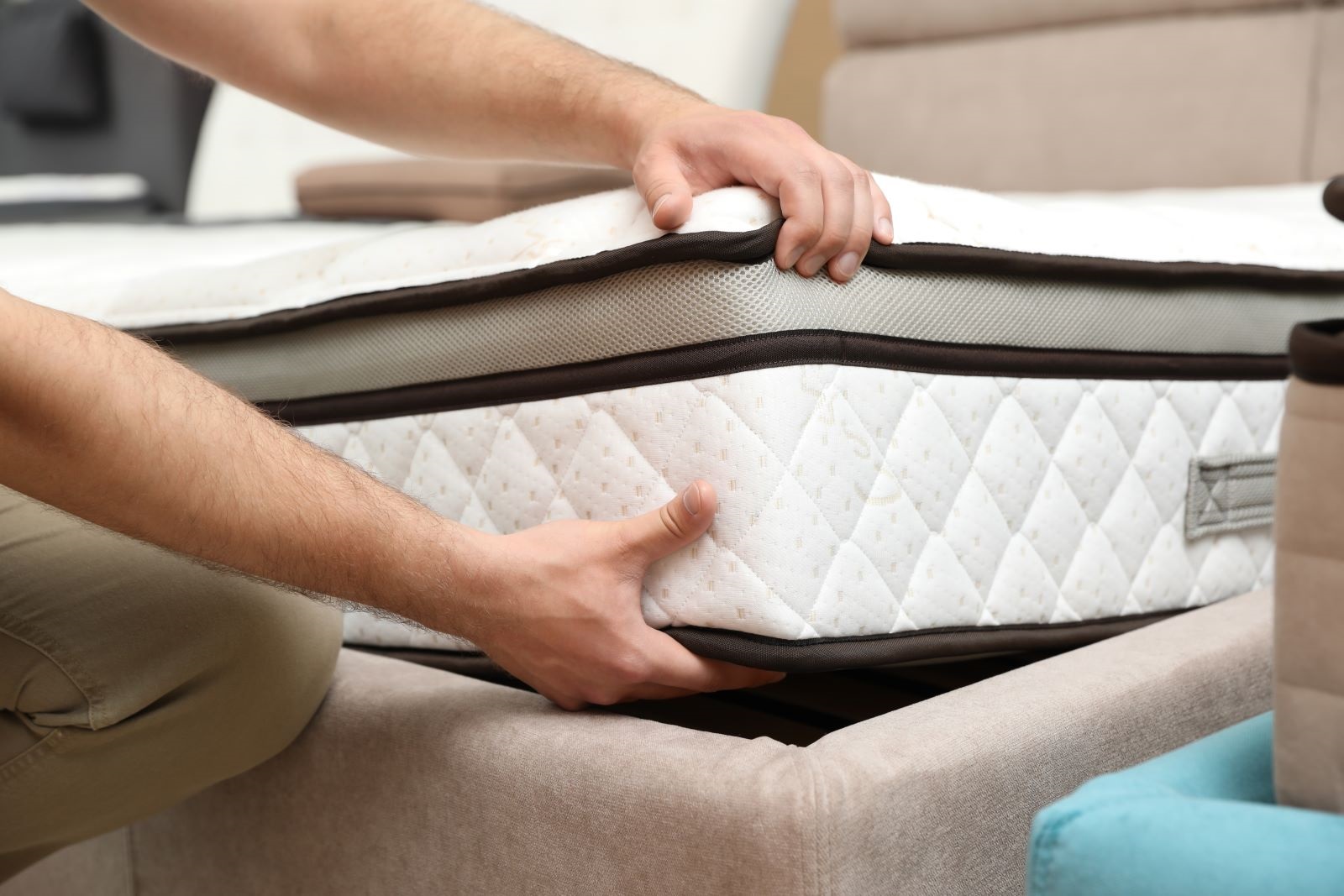
Most disappointing mattresses share the same handful of warning signs, and you do not need a brand name attached to spot them. Here are the actual factors that separate a mattress worth avoiding from one worth buying, plus how to tell if your current mattress has already crossed that line.
Does It Sag Faster Than It Should?
The single biggest gap between a good mattress and a bad one shows up over time, not on day one. Independent testing generally measures support both new and after years of simulated use, and a mattress that performs well out of the box but degrades sharply is far more common than most shoppers expect. A mattress that holds most of its original support years in is doing its job. One that sags noticeably within a couple of years, regardless of how firm it felt in the showroom, is a mattress to avoid.
Does the Firmness Label Match How It Actually Performs?
“Firm” on the label does not always mean firm in practice. Plenty of mattresses marketed as firm still sag and lose support faster than the description suggests, since firmness marketing describes the intended feel, not measured performance over time. Treat firmness labels as a starting point for comparison, not a guarantee, and look for actual reviews or test data where you can find them.
How Stable Is It When Someone Moves?
Stability, sometimes called motion isolation, matters more than people expect until they are sharing a bed. A mattress that bounces noticeably every time you or a partner shifts position makes for a genuinely disrupted night, and it is one of the more common weak points in cheaper builds. If you can test a mattress in store, press down firmly on one side and see how much movement carries across to the other.
Does It Breathe, or Will It Trap Heat and Moisture Over Time?
Some materials hold onto sweat and body heat over years of use, which eventually leads to odour, staining, and faster material breakdown, not just an uncomfortably warm night. This matters more in humid Australian climates than shoppers often realise. A breathable cover and construction genuinely extends how long a mattress stays pleasant to sleep on, well beyond just the first few months. If heat turns out to be the real issue on a mattress that is otherwise fine, a breathable bamboo topper solves that specific problem without needing to replace anything.
What Does the Return and Trial Policy Actually Cover?
A generous sounding trial period is worth less than it looks if fees apply to returns, exchanges, or pickup, even within that window. Read the fine print rather than the headline number. A mattress with a fair, genuinely free return policy is a reasonable signal that the seller expects you to actually keep it, not just that they have a good marketing team.
Is the Price Actually Justified by Performance?
Neither end of the price range guarantees quality. A very cheap mattress usually means cheaper materials and a shorter realistic lifespan, so you may end up replacing it sooner than a mid range option would have needed. A very expensive mattress does not automatically outperform a mid range one either, and paying more sometimes buys a brand name rather than meaningfully better construction. Independent reviews are a better guide than price alone in either direction. The same principle holds on the topper side too, which we cover in how much should a good mattress topper cost.
Can You Tell Your Current Mattress Has Already Crossed the Line?
A few signs point to a mattress that has genuinely failed rather than one that just needs a comfort adjustment. Waking with back or neck ache that eases once you are up and moving, rolling toward the middle of the bed, a visible dip where you usually sleep, or lumps and broken springs are all signs the mattress itself has gone past the point a topper can fix. Age matters too. Most mattresses start showing real wear somewhere around seven to eight years of regular use.
If none of that applies and your mattress is simply a bit too firm, too soft, or just past its most comfortable years without any structural failure, that is exactly the situation a topper is built for. Our guide on do mattress toppers actually make a difference goes through this distinction in more detail, and can a mattress topper fix back pain covers the same question specifically for pain related discomfort. Once you know a topper is the right move, how do I choose the right mattress topper and what to look out for when buying a mattress topper cover the next decisions in detail.
FAQs
Is a more expensive mattress always going to avoid these problems?
No. Price correlates loosely with quality at best, and some expensive mattresses still perform poorly on stability or long term support. Check reviews and test data rather than assuming price guarantees performance.
How long should a decent mattress actually last?
Somewhere around seven to nine years for a well made mattress with reasonable care, though cheaper builds often fall well short of that.
Can I tell if a mattress will sag before buying it?
Not with certainty, but independent long term testing data, where available, is far more reliable than a showroom test alone, since sagging is a problem that only shows up after months or years of use.
Is a topper ever a substitute for a mattress with these problems?
No. A topper adjusts comfort on a mattress that is still structurally sound. It cannot correct sagging, broken springs, or genuine structural failure, no matter how thick or well made the topper is.
Know What You’re Actually Working With, at Mattress Toppers AU
Once you know whether your mattress has genuinely failed or just needs a comfort adjustment, the next step gets a lot clearer. Mattress Toppers AU stocks memory foam, latex, and bamboo toppers built for exactly the second situation. Browse the full range once you have confirmed your mattress is worth building on.