 Mattress Toppers
 Bamboo Mattress Toppers
 Latex Mattress Toppers
 Memory Foam Mattress Toppers
 Mattress Protectors
 Accessories
What Are the Downsides of Using a Mattress Topper?

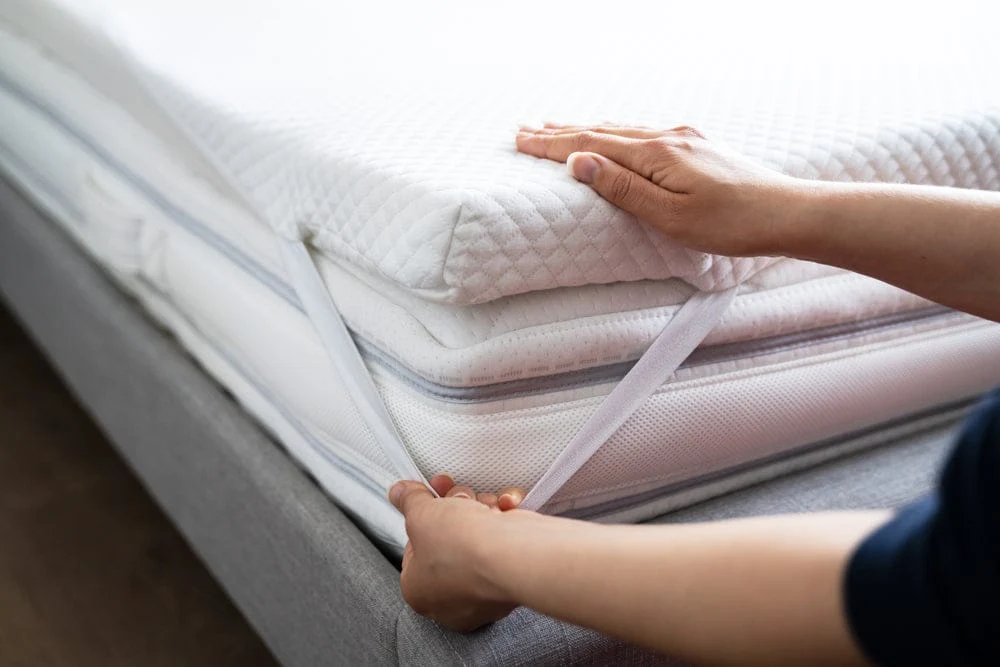
A topper genuinely changes how a bed feels, but it is not without real drawbacks, and knowing them upfront makes for a smarter purchase. Here is an honest look at the actual downsides, and which ones you can avoid with the right choice.
It Cannot Fix a Genuinely Broken Mattress
This is the most important limitation, and the one worth understanding before any of the others. A topper adjusts comfort on a mattress that is still structurally sound. It will not correct real sagging, broken springs, or a mattress that has genuinely worn out, no matter how thick or well made it is. Our guide on do mattress toppers actually make a difference covers exactly where that line sits.
A Topper Can Shift Around Without the Right Setup
Toppers without corner straps or a grip layer on the underside can slide and bunch up overnight, especially paired with a sheet that is not deep enough to hold everything snug. This is a genuine annoyance, though it is also one of the more preventable downsides on this list, since the fix comes down to using any included straps and choosing a properly deep pocket fitted sheet rather than reaching for whatever set is already in the cupboard.
It Adds Height You Need to Plan Around
A thicker topper raises your total bed height, which most people do not think about until their existing sheets no longer fit or the bed suddenly feels a step higher getting in and out of. This is a minor downside on its own, but it catches people out because it is easy to forget when you are only thinking about how the topper feels rather than how it changes the bed’s dimensions.
Some Materials Trap Heat
Dense memory foam in particular holds body heat close, which can make for an uncomfortably warm night, especially in summer. This is a real, well documented downside of traditional foam construction rather than an exaggeration. It is also one of the easiest to avoid, since gel infused foam, latex, and bamboo all sleep noticeably cooler than standard dense foam.
Toppers Are Genuinely Awkward to Clean
Unlike a sheet or a protector, most toppers cannot simply go in the washing machine. Foam and latex in particular need spot cleaning and airing out rather than a full wash, and their bulk makes even that more of a chore than cleaning most bedding. This is a fair trade off for the comfort they add, but it is worth knowing before you buy rather than discovering it the first time something spills.
Certain Materials Can Trigger Allergies
Feather, down, and to a lesser extent latex can trigger reactions in sensitive sleepers, since they involve natural animal or plant derived materials that some people react to. If allergies are a concern, memory foam or bamboo are generally the safer starting points, since both are less commonly associated with allergic reactions than feather or latex specifically.
Quality Options Cost Real Money
A topper that genuinely lasts and performs is not the cheapest item in the bedding aisle. Cutting the budget too far brings its own downside, since a very cheap topper tends to flatten and lose its loft far sooner than a properly specified one. Our guides on how much should a good mattress topper cost and are mattress toppers under $50 worth it go into that trade off in more detail.
Are the Downsides Worth It?
For the right problem, yes, clearly. If your mattress is structurally sound and the issue is comfort, firmness, or temperature, these downsides are manageable with the right material and setup, and the benefit genuinely outweighs them. If the real problem is a mattress that has already failed, no topper, regardless of quality, gets around that, and no list of downsides changes that answer either way.
FAQs
Is the heat retention downside avoidable?
Largely, yes. Choosing gel infused foam, latex, or bamboo instead of standard dense memory foam solves most of the heat complaint without giving up the comfort benefit.
Can you prevent a topper from sliding around?
Yes, in almost every case. A topper with corner straps or grip underneath, combined with a properly deep pocket fitted sheet, keeps it in place through the night.
Are all mattress toppers hard to clean?
Most need spot cleaning rather than a full wash, though some fibre and polyester covers are machine washable. Check the care instructions before buying if easy cleaning matters to you.
Is a mattress topper still worth buying despite these downsides?
Yes, provided your mattress is still structurally sound and you choose a material suited to your actual problem. The downsides are real but mostly avoidable with the right choice, not reasons to skip a topper altogether.
Does a thicker topper make these downsides worse?
Some of them, yes. A thicker topper generally traps more heat and adds more height to plan sheets around, though it also gives more pressure relief, so the trade off is worth weighing against what problem you are actually solving.
Choose With the Downsides in Mind at Mattress Toppers AU
Every one of these downsides is manageable with the right material and setup, which is exactly what we help with. Mattress Toppers AU stocks memory foam, latex, and bamboo toppers built to minimise heat, slipping, and allergy concerns from the start. Browse the full range and choose knowing exactly what you are trading off.