
 Mattress Toppers
 Bamboo Mattress Toppers
 Latex Mattress Toppers
 Memory Foam Mattress Toppers
 Mattress Protectors
Can I Wash a Mattress Protector in the Washing Machine?

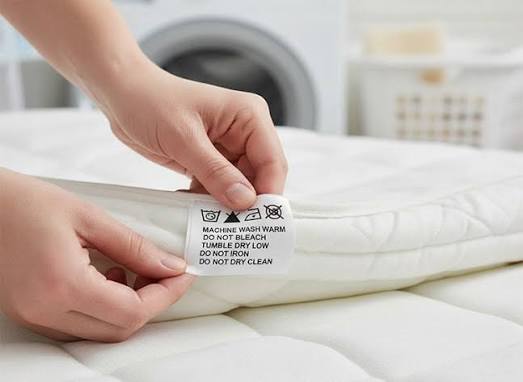
Yes, most can. A warm, gentle cycle followed by a proper line dry is the safe routine for almost every style. The dryer is where most protectors get ruined. Here is how to wash one correctly, what changes by protector type, and what to do if yours will not fit in the drum.
The Short Answer
Check the care label first. It always wins. For most protectors, the routine looks like this: a gentle machine cycle at a warm temperature, mild detergent, no bleach, no soaking, no wringing. Reshape it while it is wet, then line dry it completely. Do not tumble dry it. Do not iron it. Do not dry clean it.
Does It Change by Protector Type?
The core rules stay the same. The details shift with how the protector is built. If you are still choosing a style, what type of mattress protector is best covers the options.
- Waterproof protectors have a polyurethane backing that blocks liquid. Wash them warm and gentle, and keep heat well away from them.
- Anti-allergy protectors are usually polyester with a polyurethane backing. Same warm, gentle wash, no bleach, and a thorough line dry.
- Anti-stain protectors follow the same pattern. Gentle, warm, no soaking, and no wringing.
- Quilted protectors carry padding, so choose a delicate cycle. They also take longest to dry, so check the middle is fully dry before the protector goes back on the bed.
- Full zip encasements are bulky and awkward to wash. Follow the label, and expect to need a larger machine.
Why the Dryer Is the Real Danger
Washing is rarely what kills a protector. Heat is. Heat from a tumble dryer or an iron can strain the fabric and, worse, the polyurethane layer that makes a protector waterproof. A damaged backing can crack, peel, or stop repelling liquid, and you will not notice until the next spill reaches your mattress. Line drying is gentler and dries the protector thoroughly.
If you tumble dried one by accident, check it. Look for a stiff, crinkly feel, peeling, or cracking. Then drip a little water on the surface. If it beads, the backing survived. If it soaks in, the barrier has failed and the protector needs replacing.
Will It Fit in My Machine?
Large and quilted protectors are bulky. Cramming one into a small drum stops it rinsing properly and leaves detergent and body oils behind. Give it room to move. If yours is too big, use a larger machine, such as one at a laundromat, and check their rules about waterproof items first. Until then, wipe spills with a damp cloth and a drop of mild detergent. Dab gently, never scrub, and repeat until the mark fades.
How to Machine Wash One, Step by Step
- Read the care label.
- Spot treat any marks first. Blot, do not rub.
- Load the protector alone or with similar light items, with plenty of space in the drum.
- Choose a warm, gentle cycle. Around 40°C works well for most. Slow cycles give oils and detergent time to rinse out fully.
- Use mild detergent without bleach or optical brighteners. Skip the fabric softener.
- Lift it out gently. Do not wring or twist it. Pull it back into shape while it is wet.
- Hang it over a few lines or a rack until it is completely dry.
Common Mistakes That Ruin a Protector
A few habits shorten its life fast. Washing hot is one. Using bleach is another. Wringing or twisting stresses the fibres and the backing. Fabric softener can reduce absorbency. Overloading the drum leaves residue in the fabric. And making the bed with a protector that is still damp invites a musty smell and bacteria.
How Often Should You Machine Wash It?
Every one to two months suits most beds. Wash it more often if you have allergies or pets, or after any spill. Keeping a spare means you can wash one without leaving your mattress unprotected. For the full schedule, see how often should a mattress protector be washed.
What If a Stain Survives the Wash?
Some marks do not shift on the first go. Yellowing from sweat and body oils is the most common, and it is mostly cosmetic. Rewashing on the same gentle cycle is the safest first move. For stubborn yellowing, what causes yellow stains on a mattress protector explains how to treat it without harming the waterproof layer.
What About Washing a Topper?
Most toppers cannot go in the machine. Foam and latex need spot cleaning and airing out, and their bulk makes everything harder. A few fibre filled toppers have machine washable covers, so check the label. This is exactly why a washable protector over your topper matters. It does the cleaning work for both layers. Difference between a mattress topper and a mattress protector explains how the two share the job.
FAQs
Can I wash my protector with my sheets?
Only if the care labels match and the drum is not crowded. Protectors need space to rinse properly, so washing one alone is the safer default.
Can I use the dryer on a low setting?
Most labels say line dry, and heat is the biggest risk to the backing. Only use a dryer if your label clearly allows it.
Should I wash it hot to kill dust mites?
Most care labels call for warm, not hot, because heat can damage the waterproof layer. Regular warm washing removes oils and build-up. Follow the label.
Can I hand wash it instead?
Check the label first. Many say gentle machine wash and warn against soaking and wringing. If you cannot machine wash it, spot cleaning with a damp cloth is the safest alternative.
How do I know I damaged it in the wash?
Peeling or cracking on the backing, a stiff or crinkly feel, or liquid soaking through instead of beading are all warning signs.
Wash It Right at Mattress Toppers AU
A protector only keeps protecting if you look after it. Mattress Toppers AU stocks mattress protectors made for regular washing, so keeping your bed clean stays simple. Browse the range and keep both your mattress and topper protected.
One thought on “Can I Wash a Mattress Protector in the Washing Machine?”