 Mattress Toppers
 Bamboo Mattress Toppers
 Latex Mattress Toppers
 Memory Foam Mattress Toppers
 Mattress Protectors
What Do Hotels Use to Protect Their Mattresses?

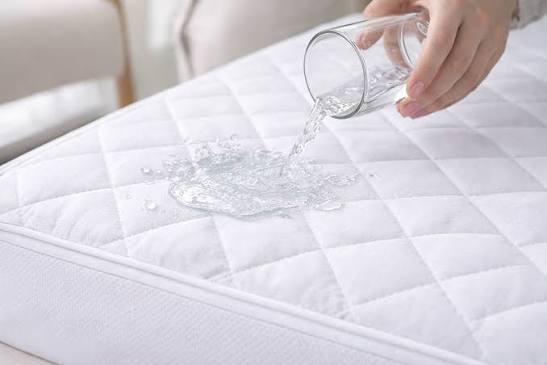
Hotels protect every mattress with almost no room for error, since a single stained or smelly bed costs them more in reviews than any protector ever costs to buy. That makes hotel standards a genuinely useful benchmark for your own bed, not a reason to copy a hospitality buying process you do not actually need. Here is what hotels actually use, and what it means for choosing one at home.
The Standard Hotels Actually Rely On: A Breathable Waterproof Fitted Protector
The workhorse across most hotel rooms is a fitted, waterproof protector with a stretch skirt, essentially the same style sold for home beds, but hotels are fussier about one detail: the membrane. Guests notice crackling and heat in reviews, so properties increasingly favour a breathable waterproof layer over a stiff, laminated one. That same distinction is worth checking on a mattress protector for your own bed, since the difference between a quiet, breathable protector and a noisy, hot one usually comes down to exactly this detail.
Why Membrane Quality Actually Matters
Not all waterproof layers are built the same. A basic laminated membrane bonds a waterproof layer directly to the fabric, which works but can feel warmer and slightly noisier if the lamination is rigid. A breathable, micro-perforated membrane lets water vapour pass through while still blocking liquid, which is why it stays cooler and quieter. It also tends to hold up through considerably more wash cycles before the waterproof layer starts cracking or peeling, which matters just as much for a home protector washed regularly as it does for one laundered constantly in a hotel.
Do Hotels Use Anything Beyond Basic Waterproofing?
Properties with an allergy or wellness focus often step up to anti-allergy protectors with a finer pore structure specifically designed to block dust mites, which are around 0.3mm in size, along with their droppings, which are considerably smaller and the actual trigger for most allergic reactions. This is the same principle behind choosing a protector rated at a pore size of around 8 microns or less at home. For properties dealing with allergen or pest concerns specifically, a full zip encasement goes further still, wrapping the entire mattress rather than just the top and sides.
What Materials Do Hotels Actually Choose?
Cotton remains the standard for mid to upper quality hotel protectors, largely because it is breathable, feels good against the skin, and holds up well to repeated washing. Some properties choose microfibre instead, mainly because it dries faster, which matters more for a hotel’s laundry cycle than it does at home. Tencel and bamboo show up most often in properties leaning into an eco or wellness positioning, since both offer stronger breathability and natural temperature regulation than standard cotton. For a home bed, cotton or bamboo covers most of what hotels are actually chasing, without needing the fast drying microfibre is chosen for commercially.
Do Hotels Still Use a Topper Underneath, or Just the Protector?
Plenty do, particularly to refresh a mattress that has lost some comfort without replacing it outright. A topper adds the comfort layer, and the protector still goes over the top of it rather than replacing it, since the topper becomes a surface that needs its own protection once it is on the bed. If you are building the same combination at home, our guide on what mattress toppers do 5-star hotels use covers the comfort side of that standard, and difference between a mattress topper and a mattress protector covers why both layers matter together.
How Do You Know When to Replace Yours?
Hotels inspect protectors regularly rather than waiting for them to visibly fail, and the same signs are worth checking at home. Look for a waterproof layer that has started peeling, cracking, or bubbling, liquid that soaks through rather than beading on the surface, elastic that has stretched and no longer holds the corners, stains that remain after a normal wash, or a surface that has gone rough, thin, or noisy. Any one of these is a reasonable sign it is time for a new one rather than squeezing out another few months.
FAQs
Do hotels really use a protector on every single mattress?
Yes, almost universally. It is one of the most cost effective ways to protect what is usually one of the most expensive items in the room, and many hotel chains treat it as a mandatory standard.
What is the difference between the protector hotels use and a basic home one?
Mainly membrane quality. Hotels favour breathable, durable membranes specifically because of how often they are laundered, but that same quality benefits a home protector too, just over a longer timeframe.
Should I treat my mattress protector like a hotel would?
The inspection habit is worth borrowing, even if the washing frequency does not need to match a hotel’s turnover. Checking for wear every few months catches problems before they reach the mattress itself.
Is a zip encasement overkill for a home bed?
Not if allergies or dust mites are a genuine concern for you, in which case it is worth the extra effort to fit. For general everyday protection, a fitted waterproof protector covers most households perfectly well.
Get Hotel Grade Protection at Mattress Toppers AU
Hotel standards come down to a few specific details, breathable membranes, proper fit, and genuine allergen defence, rather than anything exotic. Mattress Toppers AU stocks mattress protectors built around exactly those same standards. Browse the range and bring that same level of protection to your own bed.
3 thoughts on “What Do Hotels Use to Protect Their Mattresses?”