 Mattress Toppers
 Bamboo Mattress Toppers
 Latex Mattress Toppers
 Memory Foam Mattress Toppers
 Mattress Protectors
 Accessories
Why Are Some People Moving Away From Memory Foam Toppers?

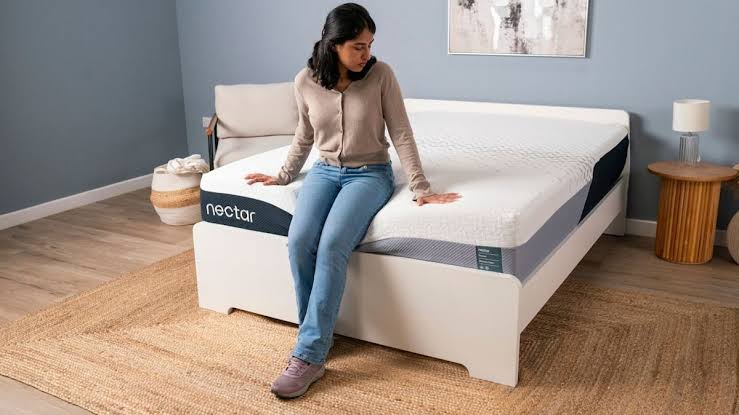
Memory foam is still one of the most popular topper materials on the market, and for good reason. It is also true that a growing number of shoppers are choosing latex or bamboo instead, and the reasons behind that shift are worth understanding honestly rather than dismissing. Here is what is actually driving people away from memory foam, and where the complaints hold up versus where they get overstated.
Heat Retention Is the Most Common Complaint
This is the single biggest reason people move away from traditional memory foam. The material conforms closely to your body, which is exactly what gives it that pressure relieving feel, but that same density traps body heat rather than letting it escape. Hot sleepers in particular notice this within the first few nights.
It is a real limitation of older, standard memory foam, but it is not the full picture anymore. Gel infused and open cell memory foam were developed specifically to address it, and our own memory foam and cooling mattress toppers use that kind of construction rather than the dense, heat trapping foam that gave the material its reputation. If breathability matters more to you than anything else, bamboo runs even cooler.
The “Sinking” Feeling Isn’t for Everyone
Memory foam responds slowly by design, which is part of what makes it good at pressure relief but also what makes some people feel stuck or slow to move during the night. If you change position often or sleep with a partner who does, that slow recovery can feel restrictive rather than comfortable.
Latex responds almost immediately by comparison, springing back as soon as weight lifts rather than holding the shape for a few seconds afterward. That responsiveness is the main reason people who dislike memory foam’s feel tend to land on latex rather than another foam option. Our full breakdown in which kind of mattress topper is best goes through how each material actually feels underneath you.
New Topper Smell Puts Some Buyers Off
A noticeable smell after unboxing is a genuine, well documented feature of foam and latex products, not a sign anything is wrong. It typically fades within 24 to 48 hours as the material airs out. It is fair that some buyers find it unpleasant enough to avoid foam altogether, but it is not a lasting problem for a topper that meets standard manufacturing and safety requirements.
Durability Concerns Over Time
Lower density memory foam can develop soft spots or lose some of its bounce faster than premium latex, which is a legitimate durability gap rather than an exaggeration. Latex generally holds its shape for longer under nightly compression. The gap narrows considerably with higher density, better constructed memory foam, so this complaint applies far more to budget options than to a well specified one.
Sustainability Is Becoming Part of the Decision
This one is less about performance and more about what the material is made from. Memory foam is a petroleum based synthetic, while natural latex is tapped from rubber trees and breaks down at the end of its life rather than sitting in landfill indefinitely. For shoppers who weigh environmental impact alongside comfort, that difference genuinely factors into the decision, even when the memory foam itself is performing perfectly well.
What This Means for Choosing Your Own Topper
None of this makes memory foam a bad choice. It means the right material depends on what you actually value. If deep contouring and pressure relief matter most, and you go with a gel infused or cooling option, most of the historical complaints barely apply. If you run hot, move around a lot at night, or want the longest possible lifespan, latex or bamboo are worth genuinely considering instead. Our guide on how do I choose the right mattress topper walks through matching material to your actual situation rather than following a trend either way.
FAQs
Is memory foam actually unsafe to sleep on?
No, not when it comes from a reputable manufacturer meeting standard safety requirements. The main genuine downsides are heat retention in older formulations and a temporary smell after unboxing, not any lasting health risk.
Does modern memory foam still trap heat the way older versions did?
Less so. Gel infused and open cell designs specifically address this, though even modern memory foam will not run as cool as latex or bamboo for genuinely hot sleepers.
Is latex actually better than memory foam?
Not universally, just different. Latex responds faster, sleeps cooler, and tends to last longer, while memory foam still offers deeper contouring and pressure relief that some sleepers prefer, often at a lower price point.
Should I switch away from memory foam if I already have one?
Only if a specific complaint, usually heat or that sinking feeling, is genuinely affecting your sleep. If your current topper is working for you, the shift other people are making does not mean you need to follow it.
Is the durability gap between memory foam and latex significant?
For premium, well constructed memory foam, the gap is fairly small. For budget or low density foam, it is real, and latex will generally outlast it by a considerable margin under regular nightly use.
Compare Your Options at Mattress Toppers AU
Whether memory foam still suits you or you are ready to try something more responsive or breathable, Mattress Toppers AU stocks memory foam, latex, and bamboo toppers so you can compare them properly rather than guess. Browse the full range and choose based on what actually matters for how you sleep.