
 Mattress Toppers
 Bamboo Mattress Toppers
 Latex Mattress Toppers
 Memory Foam Mattress Toppers
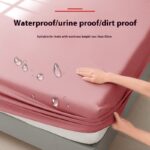 Mattress Protectors
What Type of Mattress Protector Is Best?

There is no single best type, only the best fit for what you actually need it to do. A protector chosen for spill defence looks different to one chosen for allergy control or hot sleepers, even though they all sit in the same spot on your bed. Here is how to match the type to your actual situation. For how a protector differs from a topper in the first place, difference between a mattress topper and a mattress protector covers that distinction separately.
Waterproof vs Breathable: Which Matters More?
You no longer have to choose between the two. Older waterproof protectors relied on thick plastic membranes that genuinely trapped heat, which is where the reputation for hot, crinkly protectors comes from. Modern waterproof designs use a thin membrane paired with a breathable cover, so you get real spill protection without the heat trade off that used to come with it. If your only concern is temperature, breathability still deserves priority, but waterproofing rarely has to be sacrificed to get it.
The Three Ways Protectors Fit to a Mattress
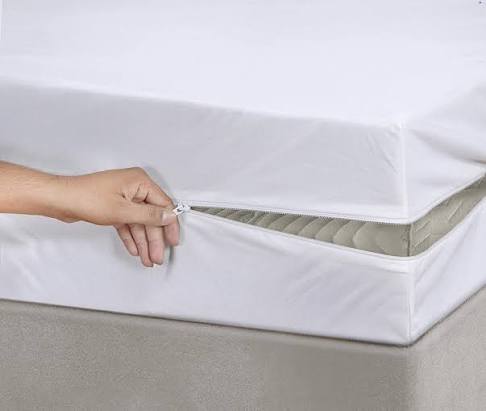
Elastic strap protectors are the simplest and most affordable, secured with corner straps rather than covering the full surface, though they can shift more easily than other styles. Fitted sheet style protectors pull over the top and sides like a normal sheet, offering a secure fit as long as the depth matches your mattress. Zip or full encasement protectors wrap around the entire mattress and close with a zip, giving the most complete coverage and the best defence against dust mites specifically, since nothing is left exposed.
What Are Protectors Actually Made From?
Cotton is breathable, soft, and a reliable all rounder for everyday comfort. Bamboo shares that breathability with natural antibacterial properties, making it a strong pick for hot sleepers, and pairs naturally with our bamboo mattress toppers if you want the same feel across both layers. Tencel is a silky, eco-friendly fibre that feels cool to the touch and suits sensitive skin particularly well. Synthetic fabrics like polyester are the most budget friendly option, generally easy to clean and often the base for waterproof membranes. Many protectors blend two or more of these to balance cost, feel, and protection.
Does Pore Size Actually Matter for Allergies?
Yes, more than most shoppers realise. Look for a protector with a pore size of around 8 microns or less if allergens are a genuine concern, since that is roughly the threshold needed to actually block dust mites and similar particles rather than just claiming to. A protector labelled hypoallergenic without a stated pore size is a softer claim than one that gives you the actual number.
Two Myths Worth Clearing Up First
A couple of outdated assumptions still put people off buying a protector at all. The idea that they are always noisy comes from older plastic backed designs, and quality fabric faced protectors today are genuinely quiet under normal movement. The idea that they are only worth it for children’s beds is similarly outdated, since adults benefit just as much from protection against sweat, spills, and everyday wear on a mattress they are relying on for years.
Matching the Type to Your Actual Situation
A few situations point clearly in one direction. Kids or pets in the house mean waterproof protection and easy machine washing should come first. Hot sleepers do better prioritising breathable bamboo or Tencel over a purely waterproof focus. Allergy or asthma sufferers benefit most from a full zip encasement paired with a low pore size rating. If budget is the main constraint, a synthetic fitted style gets you real protection without the higher cost of natural fibres.
How Often Should You Actually Wash It?
Roughly every one to two months for everyday use, closer to every two to four weeks if you have allergies, and monthly if you sleep hot and sweat more. Wash immediately after any spill or accident, and again after any illness before the bed is used normally. Regular washing is what actually keeps a protector doing its job, since even a well chosen one loses effectiveness if it just sits there collecting what it was meant to block.
FAQs
Does a waterproof protector always feel hot?
Not with modern construction. Thin waterproof membranes paired with a breathable cover perform very differently to the thick plastic protectors of years past.
Is a zip encasement necessary, or is fitted enough?
Fitted is enough for general spill and stain protection. A zip encasement is worth the extra step specifically if dust mites or allergies are the main concern, since it leaves no exposed seams.
Can I use a mattress topper and protector together regardless of type?
Yes. The protector goes over the topper in either case, so the type you choose does not change the order, only how much protection and breathability you get from that layer.
How long does a mattress protector actually last?
Typically two to five years, depending on the material and how often it is washed. Replace it once it stops repelling liquid effectively or shows visible wear.
Does the type of protector affect mattress warranties?
It can, since some mattress warranties expect reasonable protection from spills and stains as a condition of coverage. Checking your specific warranty terms is worth doing before assuming any protector, or none at all, keeps it intact.
Find the Right Fit at Mattress Toppers AU
The right protector type depends on who is using the bed and what you are actually protecting against, not a single universal pick. Mattress Toppers AU stocks mattress protectors built for exactly these different needs, alongside the full topper range if you are building out the whole setup. Choose based on your household, not just what is popular.
One thought on “What Type of Mattress Protector Is Best?”