
 Mattress Toppers
 Bamboo Mattress Toppers
 Latex Mattress Toppers
 Memory Foam Mattress Toppers
 Mattress Protectors
 Accessories
Difference Between a Mattress Topper and a Mattress Protector?

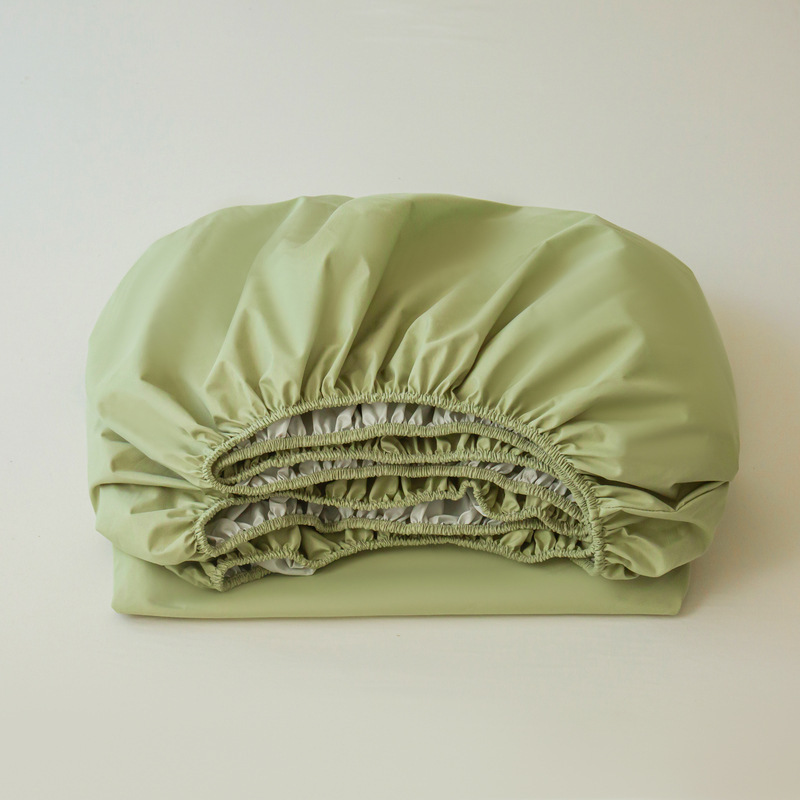
A mattress protector defends your mattress. A mattress topper changes how it feels. They sit in roughly the same spot on your bed, right under the fitted sheet, but they do two completely different jobs, and mixing them up is one of the most common mistakes people make when shopping for bedding. Here is exactly what each one does, how they differ, and whether your bed actually needs both.
Mattress Topper vs Protector at a Glance
| Feature | Mattress Topper | Mattress Protector |
|---|---|---|
| Purpose | Changes comfort and feel | Defends against spills, stains, and allergens |
| Thickness | Thicker, usually several centimetres | Thin and close fitting |
| Materials | Memory foam, latex, wool, down | Waterproof or water-resistant fabric, often blended with cotton or bamboo |
| Maintenance | Spot clean or air out | Machine washable |
| Cost | Higher upfront cost | More affordable |
| Lifespan | Longer with good quality materials | Shorter, wears out faster from daily use |
What Does a Mattress Protector Do?
A mattress protector is a thin, close-fitting cover that goes over your mattress to guard it. Its main job is defence against spills, sweat, stains, dust mites, and general allergens, without changing how firm or soft your mattress feels underneath. Blocking moisture also helps stop mould and musty odours from building up inside the mattress over time.
Most protectors are made from waterproof or water-resistant materials, sometimes blended with cotton or bamboo for comfort against your skin. They are usually machine washable, so keeping your bed hygienic is as simple as stripping the protector off and running it through a normal wash.
Before you buy, check the depth of your mattress. Protectors are cut to fit within a specific depth range, and a poor fit either slips off overnight or stretches so tight that it starts to change how the bed feels, which defeats the purpose.
Protectors also come in a couple of different shapes. Some fit like a fitted sheet, pulling over the top and sides of the mattress. Others fully encase the mattress and zip closed around it, which gives more complete coverage and is often the better choice if dust mites or bed bugs are a specific concern.
What Does a Mattress Topper Do?
A mattress topper is a thicker layer that sits on top of your mattress purely to change how it feels. If your bed is too firm, a plush topper softens it. If it has started to sag or feels a bit tired, a supportive topper can bring some of that structure back.
Toppers come in materials like memory foam, latex, wool, and down, each giving a different feel, from soft and cushioned to firm and responsive. Protecting the mattress is not really the point of a topper, though sitting between you and the mattress does reduce some general wear over time as a side effect.
What’s the Real Difference Between Them?
Purpose is the biggest difference. A protector exists to defend your mattress. A topper exists to change how your mattress feels. One is about hygiene and longevity. The other is about comfort and support.
Thickness and materials follow from that. Protectors stay thin and simple, built from waterproof or water-resistant fabric so they do their job without altering your sleep surface. Toppers run thicker, built from foam, latex, or natural fibres specifically to change the feel underneath you.
Maintenance differs too. A protector is quick to strip off and machine wash whenever it needs a clean. A topper is bulkier and usually needs spot cleaning or airing out rather than a full wash, so it is worth keeping a protector over it to reduce how often that comes up.
Cost and lifespan tend to follow the same pattern. Protectors are generally the more affordable of the two, since they use less material and simpler construction. They also tend to wear out sooner, since their entire job is absorbing the damage that would otherwise reach your mattress. Toppers cost more upfront but typically last longer, especially good quality memory foam or latex ones, since they are not taking the same daily hit.
Do You Need Both?
If you want full comfort and full protection, yes. A topper on its own improves how your bed feels but leaves both the topper and the mattress underneath exposed to spills and stains. A protector on its own keeps your mattress clean but does nothing for a bed that already feels too firm or too soft.
Used together, the usual setup is topper first, directly on the mattress, then the protector over the top of both. That way one layer defends everything underneath it, and you only have one item to wash if something spills. It also means your topper, which is usually the more expensive and harder to clean of the two, stays protected as well rather than taking on stains directly.
Mattress Toppers AU stocks both, so you can pair a topper for comfort with a protector for defence without having to shop around for a matching set.
How Do You Choose the Right Combination for Your Bed?
A little goes a long way here.
- If you sleep hot, look for a breathable or cooling topper paired with a moisture-wicking protector, so heat does not build up underneath you overnight.
- If you deal with back or hip pain, a supportive memory foam or latex topper paired with a hypoallergenic protector covers comfort and hygiene at the same time.
- If you share your home with kids or pets, prioritise a fully waterproof protector first. A topper is a nice upgrade, but the protector is doing the heavy lifting.
- If allergies or asthma are a concern, look for a protector specifically labelled hypoallergenic or dust mite resistant, ideally a fully encasing style rather than a fitted sheet style, since that seals the mattress off more completely.
- If you have just bought a new or higher-end mattress, a protector from day one is worth it even if you skip the topper, simply to protect what you have paid for while it is still new.
- If your mattress already feels comfortable and you just want to protect your investment, a protector alone is enough. You do not need a topper you will not benefit from.
How Do You Know When to Replace Each One?
Both wear out eventually, just for different reasons.
A protector is ready to go when it stops repelling liquid the way it used to, develops tears or thin patches, or picks up stains and odours that will not wash out. Since its whole job is absorbing daily wear, this tends to happen faster than most people expect, especially with regular use.
A topper shows its age differently. Look for flattened patches where you usually sleep, a lumpy or uneven surface, or a mattress that starts feeling like it did before you added the topper at all. Memory foam in particular loses its bounce over time, even if it still looks fine from the outside.
FAQs
Can a mattress topper protect my mattress the way a protector does?
Not really. A topper adds a small amount of incidental protection just by sitting between you and the mattress, but that is not its job. If you want genuine protection from spills, stains, and allergens, you still need a proper protector as well.
Does a mattress protector change how my bed feels?
Barely, if you choose a good one. Protectors are designed to sit quietly under your sheet without altering the firmness or softness of your mattress. If your bed suddenly feels different after adding one, it is usually too thick or not well suited to your mattress.
Which goes on first, the topper or the protector?
Most people place the topper directly on the mattress, then the protector over the top of both. That way the protector defends the topper and the mattress underneath in one layer, and you only need to wash one item if something spills.
How often should a mattress protector be replaced?
There is no fixed rule, but a protector generally wears out well before your mattress does, especially with regular washing and daily use. Replace it as soon as you notice it no longer repels liquid the way it used to, or if it develops tears or thinning patches.
Do all mattress protectors fit the same way?
No. Fitted sheet style protectors pull over the top and sides like a normal sheet, which is easier to put on and take off. Fully encasing protectors zip around the entire mattress for more complete coverage. Both work well, but the zip around style gives better protection if allergies or dust mites are a specific concern.
Can a mattress protector help with allergies?
Yes. A good protector creates a barrier between you and the dust mites, pet dander, and other particles that build up inside a mattress over time. It will not remove an allergy on its own, but it can meaningfully reduce your exposure while you sleep, especially if you choose a hypoallergenic or fully encasing style.
Will a mattress protector fit any depth of mattress?
No. Protectors are made to fit within a specific depth range, so check your mattress depth before you buy. A protector that is too shallow will not stay on properly, and one that is far too deep can bunch up or shift out of place overnight.
Find Both at Mattress Toppers AU
Mattress Toppers AU stocks toppers and protectors built to work together, from cooling and memory foam toppers to fully waterproof and hypoallergenic protectors for busy households. Everything is sized to fit standard Australian mattresses, so building the right combination for your bed does not mean guessing. Browse the range and cover both comfort and protection in one order.